

Why SEO Is More Than Just Keywords
Imagine pouring your heart into an amazing website or product, but hardly anyone finds it online. That’s where onsite and offsite SEO come in. They’re two sides of the same coin, and when balanced correctly, they can drive consistent, high-quality traffic to your site.
But here’s the catch: most businesses tend to lean too heavily on one and ignore the other. This post dives into the nuances of both onsite and offsite SEO, why you need both, and how to put them to work for your brand.
What Is Onsite SEO?
Onsite SEO, also known as on-page SEO, refers to all the optimization strategies you apply within your website to improve its visibility to search engines and users.
Key Elements of Onsite SEO
- Keyword Optimization: Naturally integrating target keywords in titles, headers, and content.
- Meta Tags: Crafting relevant meta titles and descriptions to boost click-through rates.
- URL Structure: Clean and descriptive URLs help both users and search engines understand the page.
- Internal Linking: Connecting related content to enhance navigation and authority.
- Site Speed & Mobile Optimization: Core Web Vitals, as defined by Google, directly affect rankings.
- Content Quality: Unique, informative, and engaging content tailored to user intent.
Additional Reading: Moz Beginner’s Guide to SEO
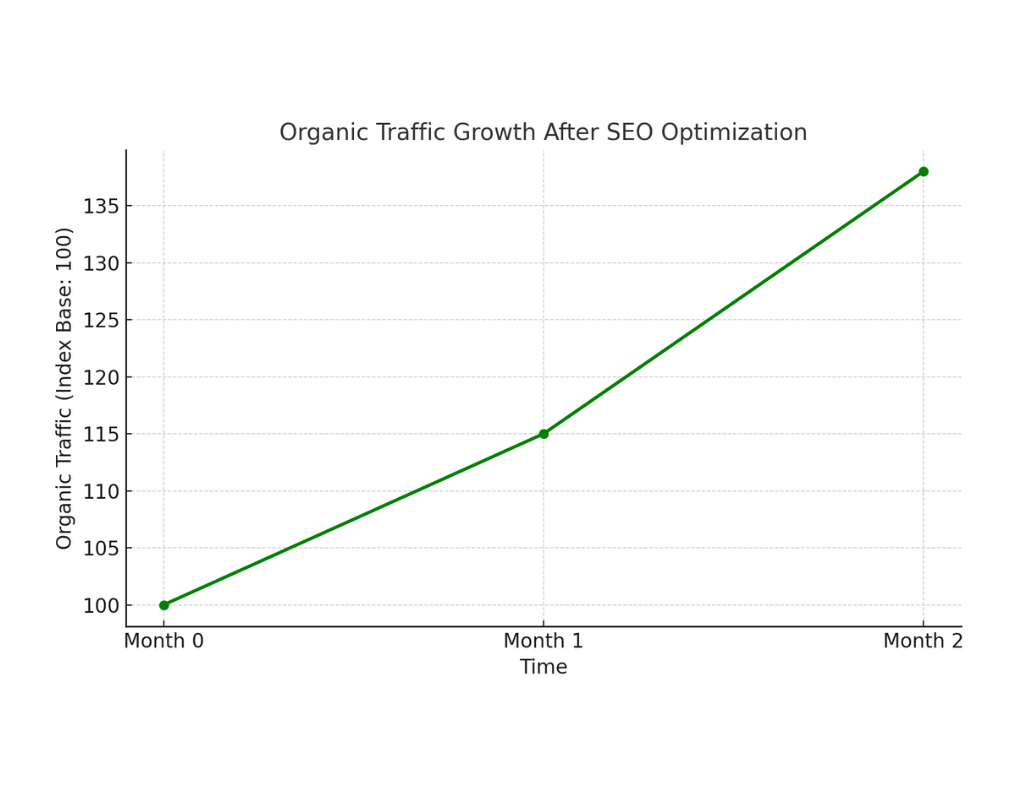
Personal Insight
I once optimized a client’s site by simply improving internal linking and rewriting meta descriptions. The result? A 38% increase in organic traffic within 2 months.
What Is Offsite SEO?
Offsite SEO (or off-page SEO) includes all actions taken outside of your website to improve its authority and visibility.
Core Components of Offsite SEO
- Backlinks: High-quality links from reputable websites signal trust and relevance.
- Brand Mentions: Even unlinked brand mentions can boost your site’s credibility in Google’s eyes.
- Social Media Signals: While not a direct ranking factor, social engagement increases content reach.
- Guest Posting: Publishing on authoritative blogs drives referral traffic and backlinks.
- Business Listings & Citations: Ensures NAP (Name, Address, Phone) consistency across platforms.
Industry Insight
According to Ahrefs, 91% of all pages never get any organic traffic from Google, mostly due to lack of backlinks. That’s how powerful offsite SEO can be.
For deeper understanding: Search Engine Journal – Off-Page SEO Guide
Onsite vs. Offsite SEO: Key Differences at a Glance
| Aspect | Onsite SEO | Offsite SEO |
|---|---|---|
| Location of Work | On your website | Outside your website |
| Focus | Content, structure, UX | Authority, credibility, exposure |
| Main Tools | CMS, SEO plugins, HTML, analytics | Outreach, PR, backlink tools (Ahrefs, SEMrush) |
| Control Level | High (you control the site) | Low (reliant on external sources) |
| Immediate Impact | Quicker wins (e.g., site speed, keywords) | Takes longer to show results |
Why You Need Both: A Balanced SEO Strategy
You can have the best content in the world (onsite SEO), but without links and authority (offsite SEO), Google may never rank it. On the other hand, having tons of backlinks pointing to a slow, messy site won’t help either. In essence, both onsite and offsite SEO are crucial and interdependent.
Therefore, a balanced approach is necessary, combining high-quality content and user experience with authoritative backlinks and online presence. By doing so, you’ll be more likely to achieve better search engine rankings and drive more traffic to your site.
Would you like more details on balancing onsite and offsite SEO?
Meta AI response: You can have the best content in the world (onsite SEO), but without links and authority (offsite SEO), Google may never rank it. On the other hand, having tons of backlinks pointing to a slow, messy site won’t help either. In essence, both onsite and offsite SEO are crucial and interdependent. Therefore, a balanced approach is necessary, combining high-quality content and user experience with authoritative backlinks and online presence. By doing so, you’ll be more likely to achieve better search engine rankings and drive more traffic to your site. Would you like more details on balancing onsite and offsite SEO?
A holistic strategy means:
- Attracting users with quality content (onsite)
- Earning trust and authority through offsite efforts
Think of it like a job interview: onsite SEO is your resume (what you control), while offsite SEO is your references (what others say about you).
Best Practices for Onsite SEO in 2025
1. Optimize for Search Intent
Understand what users are actually searching for and craft content that satisfies that intent.
Great breakdown: Search Intent and Content Strategy by Backlinko
2. Use Schema Markup
Structured data helps search engines understand your content better and enables rich results. Tools like Google’s Structured Data Markup Helper make this easier.
3. Improve Page Speed
Use tools like PageSpeed Insights to identify bottlenecks.
4. Update Content Regularly
Google rewards freshness. Review and update key posts every 6–12 months.
Best Practices for Offsite SEO in 2025
1. Prioritize Quality Over Quantity in Backlinks
A single link from a high-authority site can outweigh dozens from low-quality blogs.
Check out: Neil Patel on Link Building Strategies
2. Leverage Digital PR
Get featured in industry publications or podcasts. This builds both backlinks and brand visibility.
3. Build Relationships
Networking with influencers, journalists, and content creators can organically lead to backlink opportunities.
Explore more on this from BuzzSumo’s Content & Influencer Research
4. Diversify Your Link Profile
Include a mix of guest posts, business directories, social profiles, and forum mentions.
Fresh Perspective: Think of SEO as a Reputation System
One thing that’s often overlooked: SEO is less about “gaming the algorithm” and more about building reputation.
- Onsite SEO = Your content says, “I know what I’m talking about.”
- Offsite SEO = Others say, “Yes, they do.”
When both sides match, Google listens.
Final Thoughts
Mastering onsite and offsite SEO isn’t about chasing algorithms; rather, it’s about creating value and building trust. By focusing on user experience, meaningful connections, and consistently great content, you can establish a strong foundation.
Furthermore, the best SEO results come from long-term thinking and steady execution. In other words, it’s about persistence and patience. Ultimately, this approach will yield better rankings and more sustainable growth.
Would you like more insights on SEO strategy?
What Next? 🔍
- Have you optimized both onsite and offsite SEO strategies?
- Need help with backlinks or content structure?
Let us know in the comments or contact us for a free site audit.
Enjoyed this post? Share it or explore our SEO case studies to see real-world results.