

Why Just Having an E-Commerce Website Isn’t Enough
In today’s hyper-competitive digital marketplace, simply having an online store won’t cut it. With millions of e-commerce sites competing for your customer’s attention, the real game-changer is how well your website and marketing work together.
Think of your website as your storefront but your marketing is the magnet that pulls people in. The tighter the connection between your website, SEO, content strategy, automation, and customer experience, the better your results.
In this guide, you’ll discover practical ways to integrate your e-commerce website with modern marketing tactics, helping you drive more traffic, boost conversions, and build a brand that stands out in a crowded market. Whether you’re a solo entrepreneur or scaling a fast-growing brand, these insights will equip you to grow smarter, not harder.
Why Integration Matters: The New E-Commerce Ecosystem
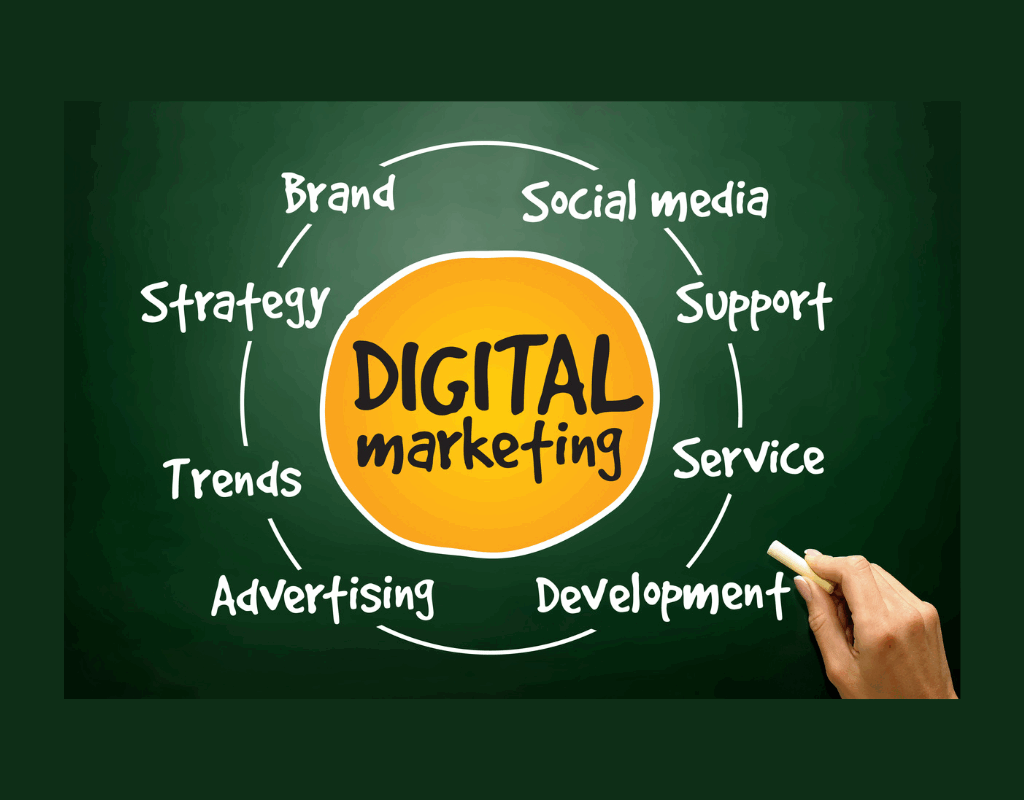
A modern e-commerce website isn’t just a static storefront it’s a living, breathing sales machine that attracts, engages and converts at every stage.
According to a 2024 Statista report , global e-commerce sales will hit $6.3 trillion by the end of 2025. But here’s the thing: 70% of carts are abandoned and customer retention is super low for brands without proper marketing integration.
What Does Real Integration Look Like? ✅ SEO brings targeted traffic to your product pages. ✅ Email campaigns are triggered by on-site behavior like cart abandonment. ✅ Social ads retarget visitors who viewed specific products but didn’t buy. ✅ Blog content aligns with real-time customer data and seasonal demand.
Without this integration, your marketing is just shouting into the void. With it, you have a conversation with your customers that builds trust, converts and drives repeat sales.
E-commerce The Old Way vs. The Integrated Way

Let’s take a look at a quick comparison to show how things have evolved:
| Element | Old-School E-Commerce | Integrated E-Commerce Experience |
|---|---|---|
| Marketing Tools | Siloed apps and manual effort | Unified platforms with automation |
| Content Strategy | Static product descriptions | Dynamic blogs, videos, and user-generated content |
| Customer Engagement | Email blasts | Personalized messaging based on behavior |
| Sales Funnel | Generic and linear | Multi-touch, data-informed journeys |
| Performance Tracking | Google Analytics only | Full-funnel analytics integrated in CMS |
Integration not only saves time but also ensures you’re speaking to the right audience at the right moment, every time.
Key Strategies to Integrate Marketing into Your E-commerce Website
1. SEO is Your Foundation Optimize Intelligently
SEO isn’t just a marketing tactic; it’s the foundation of your e-commerce website’s visibility. If customers can’t find you, they can’t buy from you.
Start by adding focus keywords like “e-commerce website” and your product specific keywords into:
✅ Page titles and meta descriptions ✅ Product descriptions and category pages ✅ Blog posts and FAQs ✅ Image alt-text for every product image
Use Ahrefs and SEMRush to track your keyword performance and see how your competitors rank to spot quick wins.
Pro tip: SEO isn’t just about rankings; it’s about relevance and readability. Write for your customers first and make it easy for Google to understand your pages.
2. Content That Converts Not Just Fills Space
Content marketing goes beyond blogging. When integrated correctly, it drives conversions directly from your e-commerce website.
Types of content that work best:
- How-to guides on product usage
- Customer stories or case studies
- Comparison posts (e.g., Product A vs. Product B)
- Seasonal gift guides
These not only improve SEO but also educate and build trust with potential buyers. Using a CMS like Shopify, WooCommerce, or BigCommerce makes publishing and linking blog content to product pages seamless.
Pro Tip: Add internal links within blog posts that drive to related products or categories.
3. Email Marketing Automation: Precision over Volume
Email is still the most profitable marketing channel, with a $36 return for every $1 spent according to Litmus. But manual emails won’t cut it.
Key automated email workflows:
- Welcome Series: Introduce your brand and top products.
- Abandoned Cart: Triggered reminders to recover sales.
- Post-Purchase Follow-ups: Upsells, reviews, and support.
- Re-engagement Series: Win back inactive customers.
Tools like Klaviyo, Mailchimp, or Omnisend sync seamlessly with your e-commerce site to create behavior-based campaigns.
Smooth transition: And while email nurtures, social media attracts especially when integrated smartly.
4. Retargeting Through Social Media and Google Ads

80% of new visitors won’t convert on their first visit. That’s where retargeting ads come in.
How integration boosts ad performance for e-commerce:
- Use your product feed to automatically generate dynamic ads.
- Retarget users who viewed specific products but didn’t buy.
- Create lookalike audiences based on purchase behavior.
Facebook Pixel and Google Ads tracking can be embedded directly into your site or via Google Tag Manager for advanced setups.
5. User Experience (UX) and Conversion Optimization for e-commerce

Even the best marketing won’t work if your site frustrates users. Every part of your e-commerce website should guide the user naturally toward a sale.
UX essentials:
- Fast load times (use PageSpeed Insights)
- Clear CTAs (Add to Cart, Checkout, Contact)
- Mobile-first design
- Real-time chat or chatbot integrations
Transition: Once everything is flowing smoothly, tracking results becomes your secret weapon.
Data-Driven Insights: Measuring What Matters

To truly master integration, you need to measure marketing performance across the funnel.
Use tools like:
- Google Analytics 4 for behavioral insights
- Hotjar or CrazyEgg for heatmaps
- Shopify Analytics or WooCommerce reports for product performance
Track metrics like:
- Conversion Rate (CR)
- Average Order Value (AOV)
- Customer Lifetime Value (CLV)
Use these to continually refine campaigns, update content, and improve targeting.
Personal Experience: What Integration Did for My Store

When I launched my first dropshipping store, traffic was steady but conversions were flat. Once I integrated email automation, published high-quality blog content tied to my products, and added retargeting ads, my conversion rate tripled within 90 days. The biggest game-changer? Setting up abandoned cart emails and connecting my blog posts directly to the product catalog.
The takeaway? Integration multiplies your effort.
Conclusion: Integration Isn’t Optional It’s Your Edge
In 2025 and beyond, having an e-commerce website without integrated marketing is like owning a store with no signs, no staff, and no lighting. Customers won’t find you, engage with you, or remember you.
By aligning your website with powerful tools like SEO , content marketing , marketing automation, and analytics, you create a sales engine that works smarter, not harder. These strategies ensure your products reach the right audience while building long-term brand visibility.
For example, integrating Google Analytics (learn more on Google’s official guide) (outbound link) allows you to track customer behavior, while using email automation tools like Mailchimp (visit Mailchimp) (outbound link) can help you engage your audience consistently, turning visitors into loyal customers.
💬 What’s Next?
✅ Need help integrating your marketing stack?
✅ Want tips for optimizing product pages or setting up automated campaigns?
Drop your questions in the comments or contact us for a free consultation.
📥 Don’t forget to subscribe for more e-commerce growth hacks and insider marketing tips