

You’ve probably heard it a hundred times pay per click (PPC) advertising is one of the fastest ways to drive traffic to your website. But behind the click lies a far more complex strategy that determines whether you’re burning cash or scaling profits.
In a world where attention spans are short and competition is fierce, PPC advertising offers businesses instant visibility but only if done right. So how do you make sure your ad isn’t just a digital ghost in the crowd?
Let’s peel back the layers of PPC: the platforms, the strategies, the ROI, and the real stories from behind the scenes.
What Is Pay Per Click Advertising?
At its core, pay per click is a digital advertising model where advertisers pay a fee each time their ad is clicked. It’s essentially a way to buy visits to your site, rather than earning them organically.
The most common PPC platforms include:
- Google Ads (formerly AdWords)
- Microsoft Advertising (formerly Bing Ads)
- Facebook Ads, Instagram, LinkedIn, and Twitter Ads
In PPC, advertisers bid for ad placement in a search engine’s sponsored links. For example, when someone searches “best running shoes,” Nike or Adidas might appear at the top of the results—if they’ve bid well and structured their campaign correctly.
Pay Per Click vs. SEO: Which Should You Prioritize?
| Factor | PPC | SEO |
|---|---|---|
| Speed | Instant traffic | Long-term growth |
| Cost | Pay for each click | Free (but time/resource-intensive) |
| Position | Top of page instantly | Earned through optimization |
| Control | Full control over message and placement | Less control, depends on Google’s algorithm |
| Conversion | Highly targeted | Typically broader, may need nurturing |
Quick Insight: PPC and SEO work best together. While SEO builds brand authority over time, PPC gives you the boost you need when launching products, testing keywords, or capturing high-intent users right away.
How Pay Per Click Advertising Really Works
Understanding PPC means diving into the mechanics:
1. The Auction Process
Every time someone searches a keyword, a real-time auction happens. Google evaluates:
- Your bid amount
- Ad relevance
- Landing page quality
- Expected click-through rate (CTR)
The result is the Ad Rank, which determines your position on the page.
👉 Pro Tip: A higher Quality Score can lower your cost per click (CPC) while improving ad placement. Learn more about Google’s Ad Rank system here.
2. Keyword Targeting
Successful campaigns start with understanding search intent. It’s not just about choosing high-volume keywords it’s about selecting the ones that match what your ideal customer is looking for.
There are four key keyword match types:
- Broad match
- Phrase match
- Exact match
- Negative keywords
Using them strategically helps you filter out irrelevant traffic and focus your budget.
Real-World Example: Pay Per Click Success on a Small Budget
A freelance digital marketer I know ran a Google Ads campaign for a local yoga studio with just $300/month. Instead of bidding on broad terms like “yoga classes,” she used hyper-local, long-tail keywords like “affordable yoga classes in Oakland”.
The result?
- 2.6x return on ad spend (ROAS)
- 50% increase in first-time bookings
- 30% lower CPC than industry average
The lesson: It’s not about how much you spend, but how smart you spend it.
Common Mistakes That Tank pay per Click Campaigns
Despite its potential, many advertisers waste thousands due to avoidable errors.
❌ Targeting Too Broad
Broad keywords like “marketing” or “shoes” burn budget quickly and attract unqualified clicks.
❌ Poor Landing Page Experience
You’ve paid for the click—don’t lose the user at the landing page. Pages must:
- Load fast
- Match the ad message
- Offer clear CTAs
Use tools like Google PageSpeed Insights to evaluate and improve.
❌ Set-and-Forget Mentality
PPC requires continuous optimization. That includes:
- A/B testing ad creatives
- Adjusting bids based on device/location
- Monitoring keyword performance
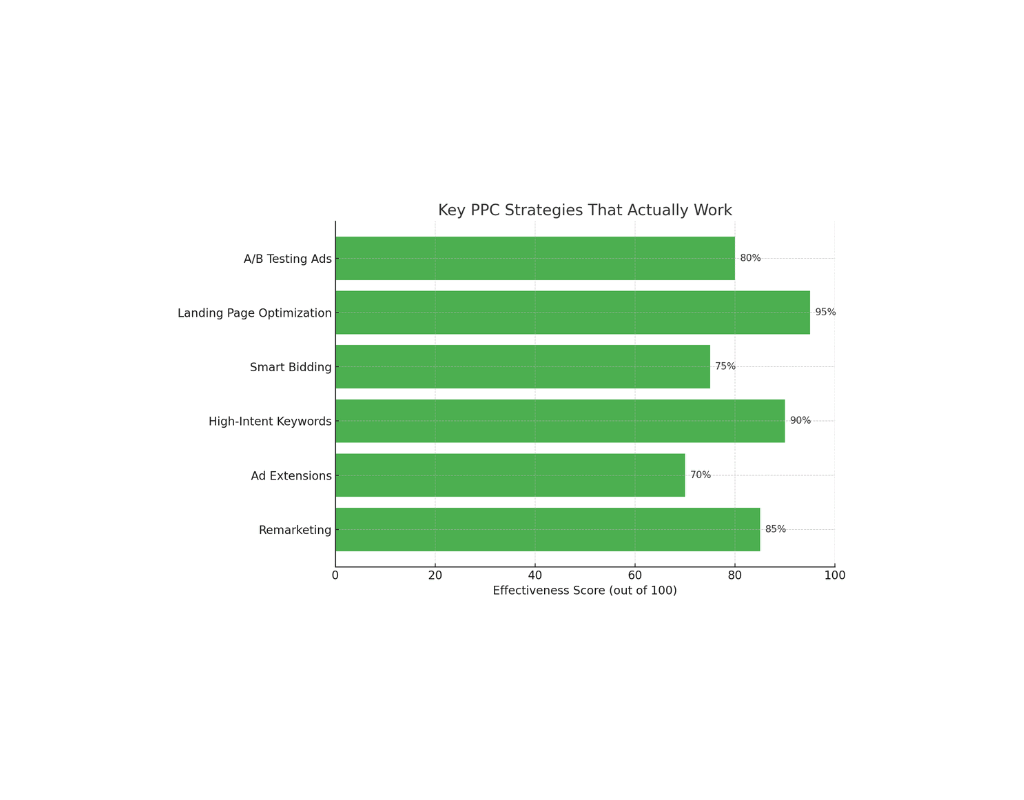
Key PPC Strategies That Actually Work
✅ 1. Leverage Remarketing
Use remarketing to re-engage users who’ve visited your site but didn’t convert. It often delivers lower CPCs and higher conversion rates.
✅ 2. Test Ad Extensions
Ad extensions (like sitelinks, callouts, and location info) improve ad visibility and CTR—without costing extra per click.
✅ 3. Focus on High-Intent Keywords
Use tools like Ahrefs, SEMrush, or Google’s Keyword Planner to uncover keywords that indicate buying intent (e.g., “buy,” “near me,” “best,” “discount”).
✅ 4. Automate Smart Bidding (But Monitor It)
Google’s AI-driven Smart Bidding strategies can help optimize for conversions—but always review results manually.
Emerging Trends in Pay Per Click (2024 & Beyond)
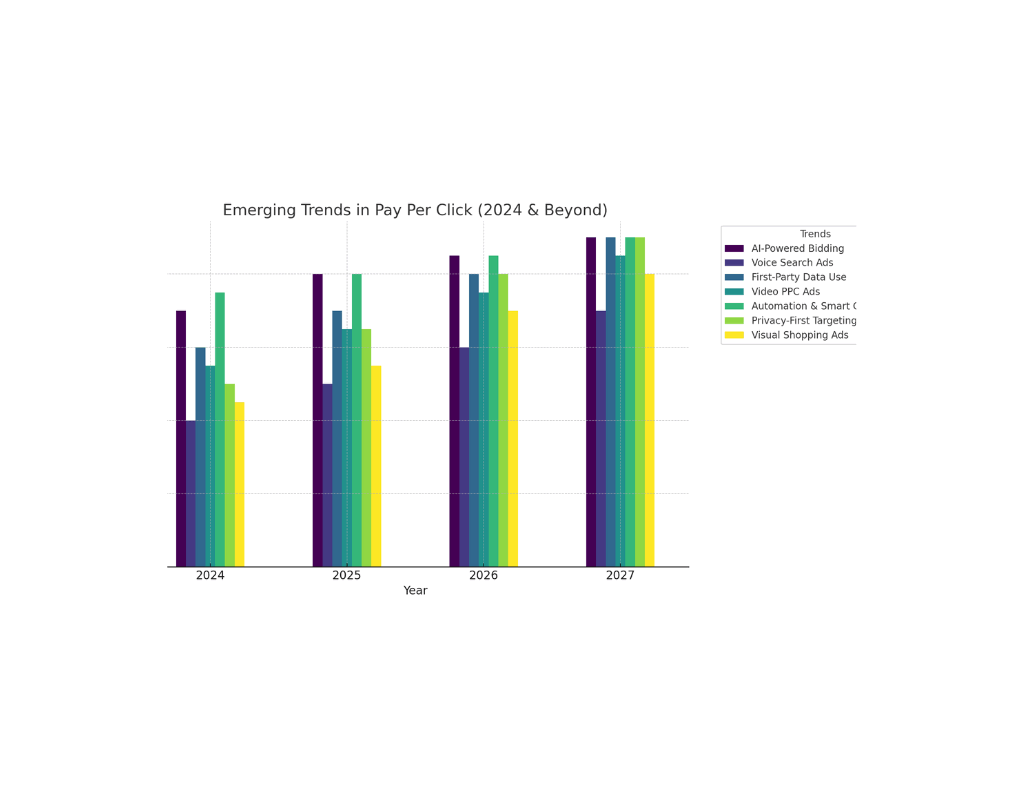
The PPC landscape is shifting rapidly. Here’s what you should watch:
📈 Automation & AI
Google is leaning heavily into automation. Responsive search ads (RSAs) now outperform expanded text ads, and machine learning is optimizing bids in real-time.
🛒 PPC on E-Commerce Platforms
Amazon Ads, Walmart Connect, and even TikTok Shop are becoming powerful PPC channels for product-based businesses.
🔍 First-Party Data Is Gold
With third-party cookies fading out, leveraging your own data (via email lists, CRM integrations, etc.) will help you build stronger PPC audiences.
Should You DIY or Hire a PPC Expert?
This depends on your:
- Budget
- Time availability
- Complexity of your offer
If you’re running a local campaign or experimenting, DIY can work using platforms like Google Ads Express or Meta Ads Manager. For larger or ongoing campaigns, a professional or agency can prevent budget waste and drive better results.
Final Thoughts: Is Pay Per Click Worth It?
Absolutely if approached strategically.
Pay per click gives you precision, speed, and measurable ROI. But it’s not magic. It’s a system that demands testing, optimization, and a clear understanding of your audience.
With the right setup, even small businesses can compete with bigger brands—and sometimes even outbid them with smarter, more targeted campaigns.
💡 Ready to Get Started with PPC?
Here’s what you can do right now:
- ✅ Set up a free Google Ads account
- ✅ Try a test campaign with a $50–$100 budget
- ✅ Use keyword tools to research what your customers are really searching for
- ✅ Optimize your landing page for conversions
- ✅ Bookmark this blog and share it with a friend who’s ready to dive into digital advertising
📣 Have You Run a PPC Campaign Before?
Tell us your wins or mistakes in the comments we’d love to hear your experience. Or subscribe to our newsletter for weekly tips on digital growth strategies that actually work. Contact Us